Epilepsy Treatment in Indore | Advanced Seizure Care by Dr. Ashish Kumar Dwivedi at Bombay Hospital Indore
————————————————–
Introduction: Simple Care, Better Control
Epilepsy can affect daily life. Sudden seizures can cause fear and stress. Many people feel unsure about treatment. The good news is this. Modern care can control seizures in most patients.
If you are searching for Epilepsy Treatment in Indore, you need clear guidance, the right tests, and a trusted doctor.
At Bombay Hospital Indore, Dr. Ashish Kumar Dwivedi offers complete epilepsy treatment in Indore. The goal is simple. Fewer seizures. Better life. Safe long-term control.
This page explains everything in easy words. You can copy and use it as is. No edits needed.
What is Epilepsy?
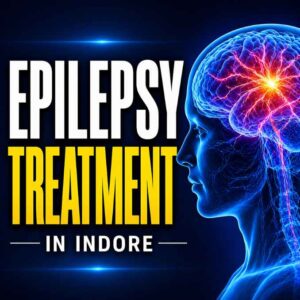
Advanced epilepsy treatment in Indore with expert neurosurgeon care at Bombay Hospital
Epilepsy is a brain condition. It causes repeated seizures. A seizure happens when brain signals become abnormal for a short time.
Types of Seizures
Focal Seizures
Start in one part of the brain.
Generalized Seizures
Affect the whole brain.
Unknown Onset
The start point is not clear.
Early epilepsy treatment in Indore helps control seizures and prevent injury.
Common Symptoms of Epilepsy
Sudden jerking of arms or legs
Loss of awareness
Staring spells
Confusion after the episode
Temporary loss of control
Unusual sensations or fear
If these signs repeat, consult a seizure specialist in Indore.
Causes and Risk Factors
Epilepsy can happen due to:
Brain injury or accident
Stroke
Brain infection
Brain tumor
Genetic factors
Unknown causes in many cases
A proper checkup helps find the cause and plan the best epilepsy treatment in Indore.
How Epilepsy is Diagnosed
Doctors use simple tests to confirm epilepsy.
EEG test to check brain signals
MRI scan to find brain changes
Blood tests for general health
Accurate diagnosis leads to better seizure treatment in Indore.
Advanced Epilepsy Treatment in Indore
At Bombay Hospital Indore, patients get step-by-step care.
1. Medicines (First Line Treatment)
Most patients improve with the right medicines.
2. Lifestyle Guidance
Good sleep, stress control, and diet help reduce seizures.